We see plastic bottles everywhere, the majority of which can be found in the trash. You may be done with it, but the bottle still has a long way to go before reaching it’s final resting place. Bottled water companies spend millions each year on advertising and Americans purchase an increasing number of plastic bottles each year. It may seem like a simple transaction: buy, drink, dispose – but plastic bottles have a long journey before you ever take a sip.
Birth of a Bottle
Plastic bottles are created by treating crude oil and natural gas. Most plastic bottles are made from polyethylene terephthalate, or PET. To fill the demand for plastic bottles in the United States, we use 17.6 million barrels of oil annually, not including the oil used to transport the product. Bottled water companies buy chemically treated pellets which are then heated and shaped into plastic bottles. The bottles are then filled, packaged and packed on a truck for delivery.
Shelf Life
During the trip to the store the plastic bottles have managed to appreciate in value by about 2000%. The plastic bottle and water, which cost cents to produce will then be sold for $4, $5, or more and disposed of. Hopefully the bottle will be recycled, however this map showing the percentage of recycled material displays just how little is properly disposed of. The vast majority of plastic bottles are thrown in the trash rather than recycled, leaving two options for the future of your plastic bottle.
Recycling
Ideally, this is where all plastic bottles should go. Nationally, however, only 30% of bottles end up being recycled. Plastic that is recycled gets sterilized, shredded, and then sold back to companies to be re-used. The shredded plastics are used for more bottles, plastic bags, and most end up used in clothing or fabrics. Some innovators are finding unique ways to utilize recycled plastics, so be sure that you know exactly what and when to recycle in Boston.
Death/Afterlife
The vast majority or plastic bottles are sent to landfills or end up in the ocean. It takes plastic bottles hundreds of years to degrade, and if these plastics end up in a densely packed landfill the process can take even longer. As we have already seen, millions of plastic bottles each year end up in the Great Pacific Garbage Patch. The degrading bottles destroy wreak havoc on ocean ecosystems and sea animals.
It’s easy to forget that plastic bottles are around a lot longer than it takes us to buy, drink, and toss them. Recycling is an excellent step but not enough to save our environment. We all must stop using PET plastic bottles and switch to reusable, eco-friendly alternatives. Each plastic bottle you use will be on the planet long after you’re gone.
Stay updated on this topic by signing up for our newsletter:
This past summer Americans were tested by one of the worst national droughts of all time; one that will continue to affect food and utility costs for years. While this drought was no fun for many, it should be seen as a reminder from Mother Nature that we need to start becoming more water efficient. Updating your shower-heads can save money and save a significant amount of water while still delivering water pressure.
Older shower-heads use around 3.5 gallons a minute; most new and efficient shower-heads can operate on 2 gallons a minute, with some as low as 1.5. By upgrading your shower-heads, the average household will save over 15,000 gallons of water each year and $94 from your water bill. You can make your house so much more efficient with just a few quick and easy adjustments, there is no reason to stay inefficient!
WaterSense Label
According to the EPA, showering makes up around 17% of home water usage, or around 30 gallons per household each day. Water efficient products come with a WaterSense label guaranteeing their quality and reduced water consumption. Installing WaterSense shower-heads will save the average household 2,300 gallons per year, while also saving energy. It’s an easy way to reduce your water footprint and save money.
WaterSense shower-heads use only 2 gallons a minute but still offer a satisfying bathing experience. Additionally, taking water conscious, short showers will decrease the amount of water you waste. If you really want to save water, turn off the water as you lather up, and then back on to rinse off. By using WaterSense products and making small changes you can conserve thousands of gallons a year.
The Best Shower-Heads
Here are our favorite options:
5. Road Runner II – 1.5 gallons per minute with multiple settings. Also includes a function that conserves water until it is heated to a comfortable temperature.
4. Niagara Earth Massage – A great standard in efficient shower-heads. Saves 40% more energy and water than a standard 2.5 gallon per minute shower-head.
3. Oxygenix 60120 Skincare – Another great 1.5 gallon per minute option. This shower-head has a sleek design and is self-pressuring, meaning you get a great shower with multiple pressure options.
2. Niagara Earth Massage 1.25 – The same great standard, even more efficient. Offers a massage stream feature to ensure a satisfying shower.
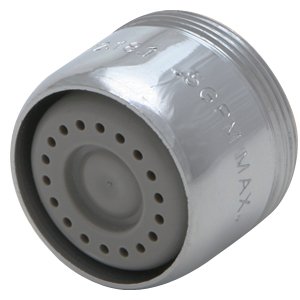
1. Faucet Aerators – If you really want to take water efficiency to the next level, you can order aerators that only use .5 to 1 gallon per minute. These save an enormous amount of money, energy, and water each year.
Make sure your home is up-to-date and water-efficient. Also be conscious of your time in the shower and just how much is going down the drain. With the right shower-head you can drastically cut down how much water you consume each year.
Recently BPA, a chemical used in plastic bottles, has been linked to another health problem in humans. BPA has a long list of negatives but continues to be used in plastic bottles because the chemical is so cheap. Most recently BPA has been showed to cause thinning arteries, which can lead to heart attacks. We took a look at some of the problems that BPA has been found to cause:
Narrow Arteries
A recent study at The University of Cambridge and the University of Exeter found an association between high BPA levels in the blood and severe coronary artery stenosis, the medical name for narrow arteries. The more stenosis an artery has, the more likely it is to become blocked. Blocked arteries lead to chest pain, tightness, and eventually heart attacks. Researchers concluded that exposure to BPA contributes to heart disease. Many people with heart disease unknowingly put their health at risk every time they use a plastic bottle.
Developmental Problems
The most concerning BPA related problems have to do with their impact on childhood growth and development. BPA was banned from baby bottles and other children’s products earlier this year amid health concerns. BPA has been linked to reduced fetal and newborn development, and wheezing in children among other problems.
Time Magazine recently put out a piece explaining that while BPA is banned from bottles and cups, the chemical is still abundant in children’s toys and apparel. This means that children are still being exposed to the potentially deadly chemical everyday, often without even realizing it. With all of the health concerns associated with BPA, it’s time to completely eliminate the use of the chemical in children’s products.
Lingering Problems
BPA has been proven to have serious medical concerns in animal testing and in human interaction. Exposure to BPA has been linked to cause everything from neurological problems to reproductive disorders in adults. We found a list of every side effect associated with BPA; its stunning how a chemical can continue to be used when it is known to cause so many health problems.
Take Action
There are a few easy ways to limit your BPA intake:
Always choose fresh food over processed, bulk buy products
When bottled water first hit American shelves, it made an impact almost immediately. In 1976, Americans were only drinking 1.6 gallons per person, by 2002 it was up to 18.2 gallons, and now we’re averaging a colossal 29.2 gallons per person-more than beer or milk.
So why the dramatic increase in bottled water consumption? As far as we know water didn’t become any more pure or refreshing over the years. However, what we do know is that advertisers have spent sickly amounts of money to convince consumers that bottled water is good for the environment, healthier than tap water, and worth your money.
We took a look at some commercials and broke down some of the best bottled water scams strategies for making a splash.
Make it “natural”
Poland Spring’s “Born Better” tagline is an example of the most common strategy for selling bottled water. You show some panoramic shots of waterfalls, maybe some people kayaking, and imply that your bottled water is naturally better and more healthy than any other brand. Every bottled water source is “pristine” or “untouched” by man…and then bottled, shipped, and sold. Of course, nothing is more natural than an international corporation invading and taking resources from a local community. See how natural your tap water is by visiting by requesting our Free water quality analysis.
Make it “Eco-Friendly”
As more and more negative press surfaces against bottled water companies, the new strategy is to focus on how environmentally conscious your product is. Dasani’s “Plant Bottle” commercial has the Earth, some pure water, a plant growing… these are all images to link bottled water to nature and convey a positive environmental image. The bottle is 30% plant material, but that will make no difference when the majority of the bottles end up in landfills, the ocean, and other places they don’t belong. Massachusetts company Corporate Accountability International has been battling bottled water corporations for years, and you can help join in the fight.
Make it “fun”
A minute-long spot for Aquafina water equates the product to alcohol and implies the wild (yet refined) times that you will have consuming their specific brand of water. Everybody’s having a good time, you can party with your friends, show a little cleavage, and dance with a fish. You might even get thrown out of a window! Aquafina doesn’t bother talking about nature or filtration, but rather treats water like beer and shows a wild party. The tagline “The more water you drink, the better you feel” is a great way to sell bottles. Plus, you want to have as much fun as the people in the commercial, right?
Get a Celebrity/Famous Song
Or both. Smartwater is smart (the water itself is smart apparently?). They have fully embraced the “internet culture” of today and create a “smart”, “edgy” commercial for their product featuring Jennifer Aniston. The commercial features internet references, humor, puppies; anything to show how clever and funny and ahead of the game Smartwater is. Over two million views, almost three minutes long, and they only actually talk about the product for a few seconds. Smart Advertising.
It is well known that American water supplies have been treated with fluoride, but what is less clear are the long-term effects of fluoridation. Supporters of fluoridation say that the chemical helps strengthen teeth, while detractors worry about potentially dangerous side effects. The issue is still hotly debated with vocal advocates on both sides, and a wide variety of opinions exist on the practice.
We’ve all heard of fluoride, but just how often do we come into contact with it? Bottled water and many other beverages are treated with fluoride, often with no indication to consumers. Is fluoride a helpful tool for dental health, or an unnecessary chemical? Should bottled water companies be required to communicate the fluoridation of water on their product’s label?
What Is Fluoride?
Most of us have had fluoride applied by a dentist after a tooth cleaning, but you come into contact with fluoride more often than you think. Fluorides are chemicals used in the production of a number of products such as:
Pesticides
Insulation
Nuclear fuel
Teflon
Bio-medical supplies
The fluoride used in water treatment is hexafluorosilic acid, known to prevent tooth decay in acceptable doses. However, the rise of fluoride toothpaste has led many experts to argue that adding it to public water has become unnecessary. In addition, elevated fluoride levels are known to cause health problems, a potentially unwanted consequence of water fluoridation.
Supporters of water fluoridation say that the process leads to better dental health for a population, and many supporters consider the process extremely beneficial for impoverished populations. Opponents of water fluoridation argue that the process is too expensive to justify and potentially harmful to human health. Both sides of the debate continue to gain steam as water fluoridation remains a controversial topic even in the 21st century.
Fluoride is proven to prevent tooth decay, and water fluoridation is an easy way to deliver this benefit to the public. The US Center for Disease Control and Prevention listed water fluoridation as one of the ten greatest public health achievements of the 20th century. We spoke to dentist Shivani Pareek of North End Dental Associates, who told us “Fluoridation at the appropriate level is the smart way to treat water”. Fluoride is a proven tool to fight tooth decay, which particularly affects young and impoverished populations.
Fluoride Flaws
Many people see water fluoridation as a challenge to individual rights. The practice was useful in the 20th century, but many experts feel the rise of fluoride toothpaste has made fluoridation unnecessary. Dr. Myron Wentz, an internationally recognized microbiologist and founder of USANA Health Sciences Inc., is a fluoride expert and points out that most American fluoride is purchased as an industrial waste product from China. Chinese suppliers actually list fluoride as an insecticide, raising more concerns about the business ethics of Chinese industrial suppliers and the safety of the chemical. What’s more, many European countries have seen a dramatic decline in tooth decay with no water fluoridation simply because of the rise of fluoride toothpaste.
Ever since its implementation in 1945, water fluoridation has had strong vocal opinions on both sides of the argument. Whether you support fluoridation or avoid it at all costs, the debate looks like it won’t be going away anytime soon. If you want to completely avoid fluoridated water, this website explains what filters are capable of removing fluoride from water and which filters cannot.